
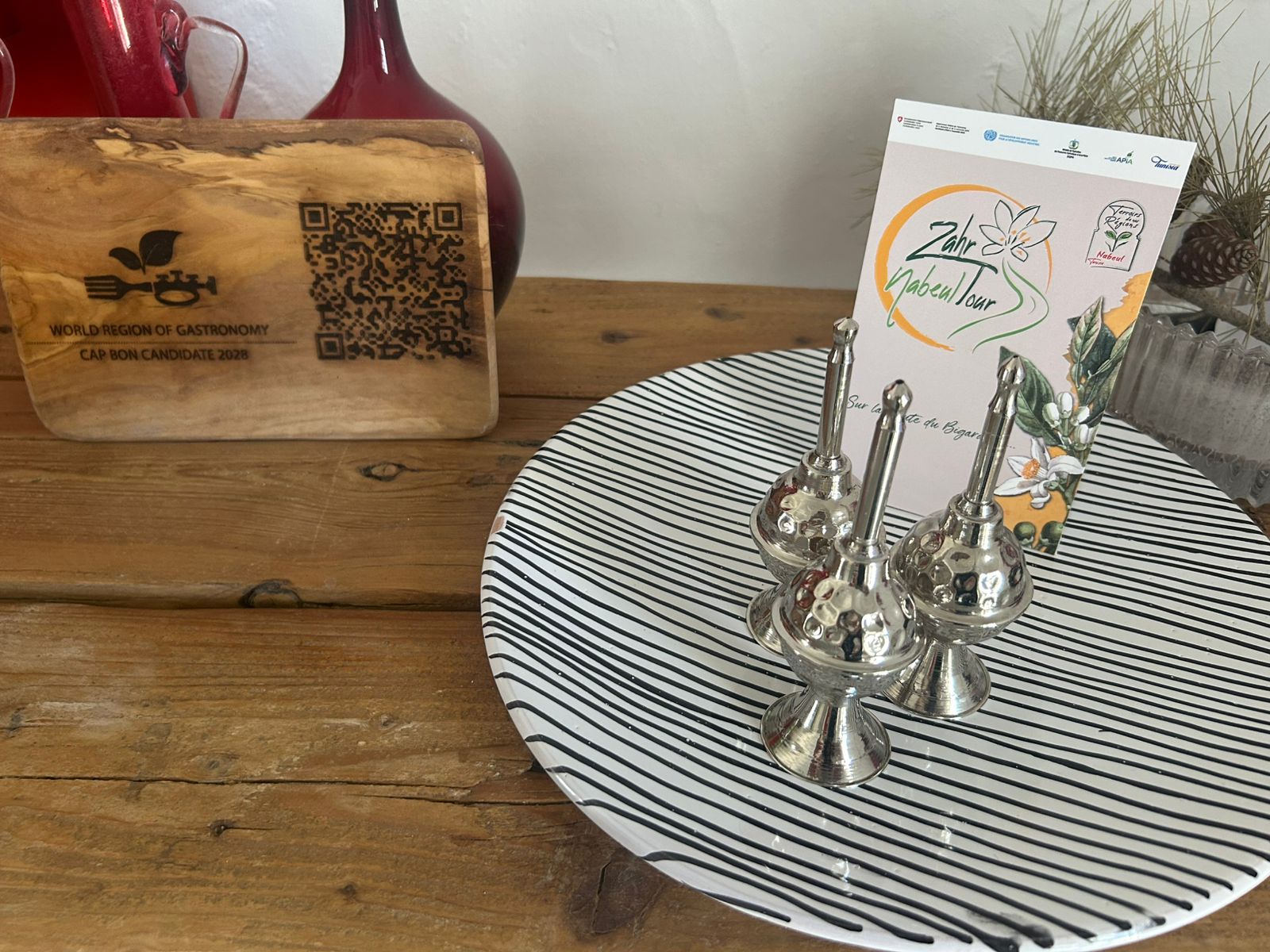
Every spring, Tunisia is transformed by the scent of a small white flower. Known as zhar, the blossom of the bitter orange tree carries far more than fragrance. It carries memory.
Every country has its landmarks, its monuments and its museums. But i often wondered if the deepest stories are really found there?
From my point view, they live elsewhere. In kitchens where recipes are prepared without measuring. In gardens that bloom with the rhythm of the seasons. In gestures repeated by women and men so many times that no one remembers who first taught them.
And sometimes, like in Tunisia, they live inside the perfume of a flower. Every spring, something extraordinary happens in Tunisia’s Cap Bon peninsula. Before you see the orchards, you smell them. A delicate fragrance drifts through villages, family homes and country roads. It slips through open windows and settles quietly on breakfast tables. Fresh blossoms are placed beside morning coffee, in small glasses on kitchen counters, even inside cars.
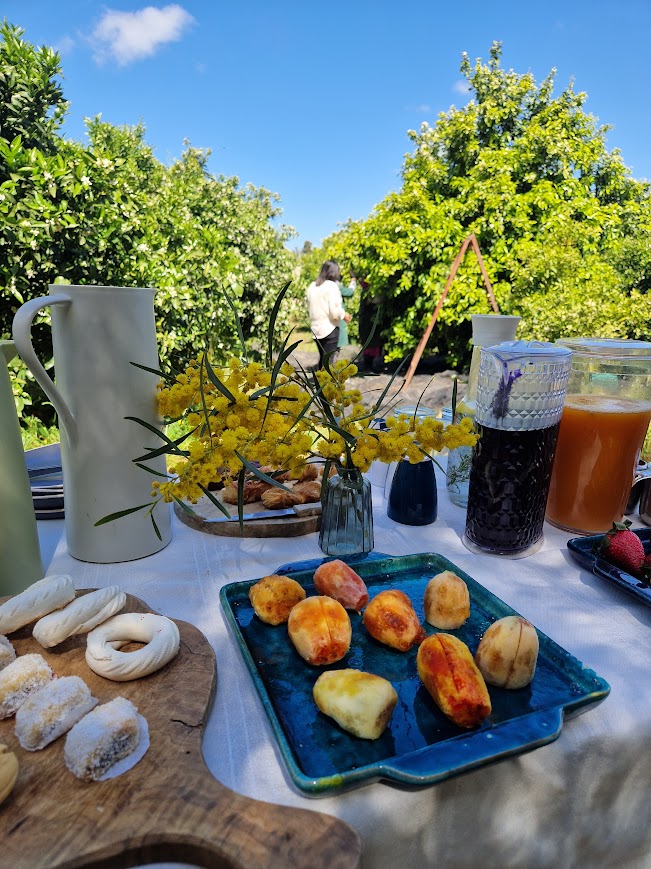
Nobody announces its arrival. People simply know that Spring is back. It has returned. The flower is called zhar. For generations, it has accompanied Tunisian life almost unnoticed. Its blossoms are distilled into orange blossom water, an essential ingredient in traditional pastries and desserts. A few drops perfume a bowl of assida. It soothes children, welcomes guests and marks celebrations. It is present in everyday rituals, yet strangely absent from the stories we tell about ourselves.
That absence has always fascinated me. How can something so deeply rooted in a culture become almost invisible? Perhaps because what surrounds us every day eventually disappears from our attention. We mistake familiarity for permanence. We assume that what has always existed will always remain. But living heritage rarely disappears overnight. It fades quietly.
One forgotten recipe. One abandoned orchard. One elderly woman who passes away without transmitting what she knows. One season that no longer smells the way it used to. This is where my own journey began. For years, I believed I was working in tourism. I thought I was promoting destinations, landscapes and heritage.
Today, I realise I have been searching for something else entirely. I have been searching for what quietly disappears. Not monuments. Memories. Not objects. Ways of living. Not history. But the invisible threads that continue to connect people to a place.
That is why I joined the ZHAR Tour. Not as a sightseeing experience. But as an invitation to discover Tunisia through one of its most intimate symbols. Visitors walk through bitter orange orchards, meet the women and men who still preserve traditional know-how, discover the art of distillation, explore the place of orange blossom in Tunisian cuisine and share stories that rarely appear in guidebooks.
It is an experience built around fragrance, taste, memory and transmission. Because heritage is not only something we visit. Sometimes, it is something we breathe. Perhaps every country has its invisible flower. The one that quietly accompanies everyday life without ever making it into history books.
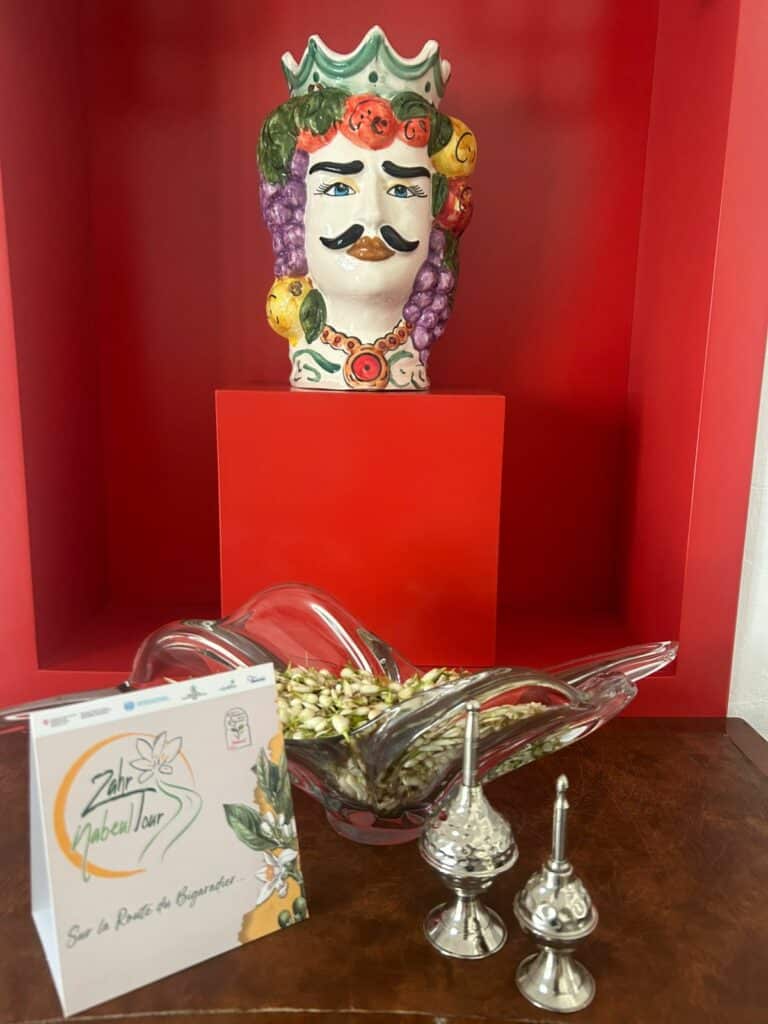
For Tunisia, I believe that flower is zhar or yasmine. I’m still thinking about. And finally whay should i choose? One thinh i’m sure about is that understanding a country begins by paying attention to the things that almost nobody notices anymore.