Tunisia is entering a decisive moment in its tourism evolution. For decades, its appeal relied on standardized seaside tourism. While economically efficient, this model no longer answers the expectations of contemporary travelers seeking authenticity, sustainability, and depth. Today, Tunisia’s strongest competitive advantage lies elsewhere: in its living terroir, agricultural intelligence, and sensory heritage.
From Culinary Terroir to Tourism Strategy
Amel Djait works on Tunisian terroirs began through culinary research and documentation. The book Tunisiennes, Saveurs des Terroirs, distinguished by the Académie Nationale de Cuisine in France, helped position Tunisian regional gastronomy within an international framework of heritage recognition.
But terroir is not only about food. It is about land, plants, memory, and transmission. This reflection naturally expanded toward tourism: how can a territory become an immersive experience?
Tunisia’s Cultural Capital is Expanding
A new generation of publications and research has strengthened Tunisia’s intellectual and culinary landscape. Works by Malek Labidi, Héla Msellati, Hafida Ben Rejeb Latta, and Jacqueline Bismuth have contributed to articulating food heritage as cultural capital. This literary movement matters.
Because tourism today is driven by narrative legitimacy. When a country documents itself, it elevates itself.
Dar Jbel: A Living Laboratory of Sustainable and Sensory Tourism
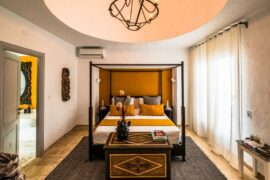
Located in Hammamet, Dar Jbel operates as more than a rural guesthouse. It is a territorial project built around slow tourism, agricultural transmission, craft workshops and sensory immersion. With consistently outstanding guest ratings (9.6 on Trivago and 9.7 on Booking), Dar Jbel demonstrates that experiential hospitality responds to a real demand. But its specificity lies deeper.
Oleotourism: Olive Oil as Cultural Strategy
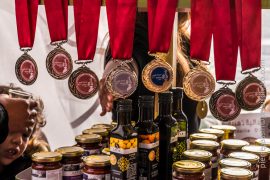
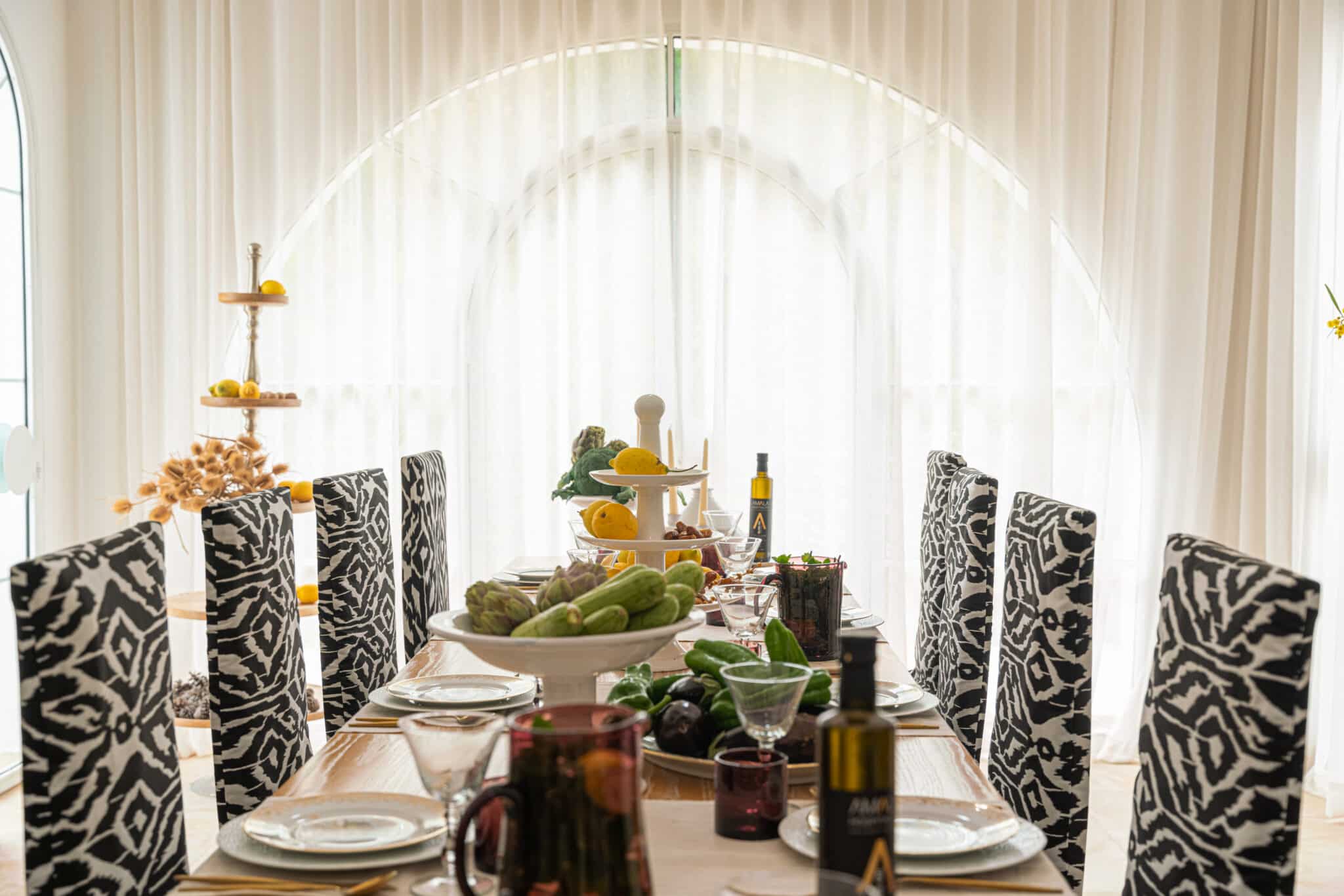
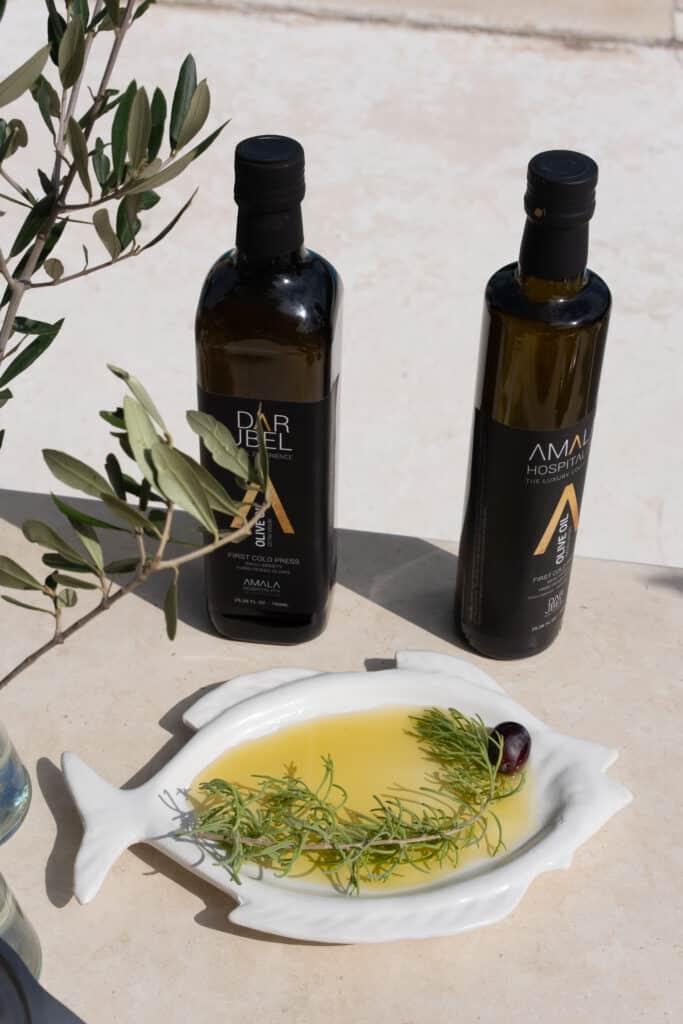
Olive oil is not just an export product in Tunisia — it is civilizational heritage. At Dar Jbel, oleotourism includes participation in olive harvesting, explanation of cultivation cycles, guided tastings, storytelling around biodiversity and soil knowledge. Here, olive oil becomes a narrative bridge between agriculture and travel. It transforms production into experience. And it increases territorial value without increasing volume.
Neroli and Floral Heritage: A New Tourism Axis
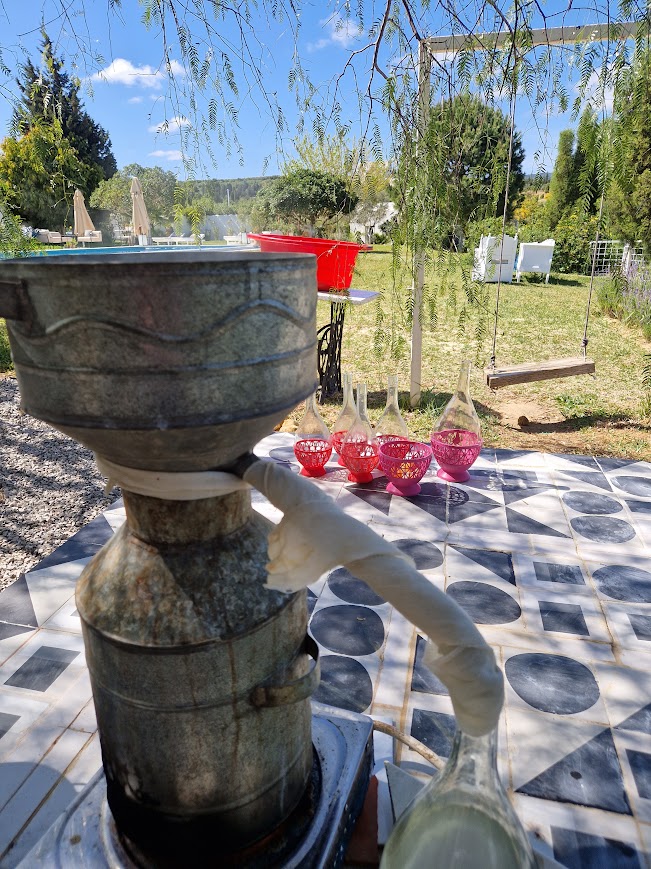
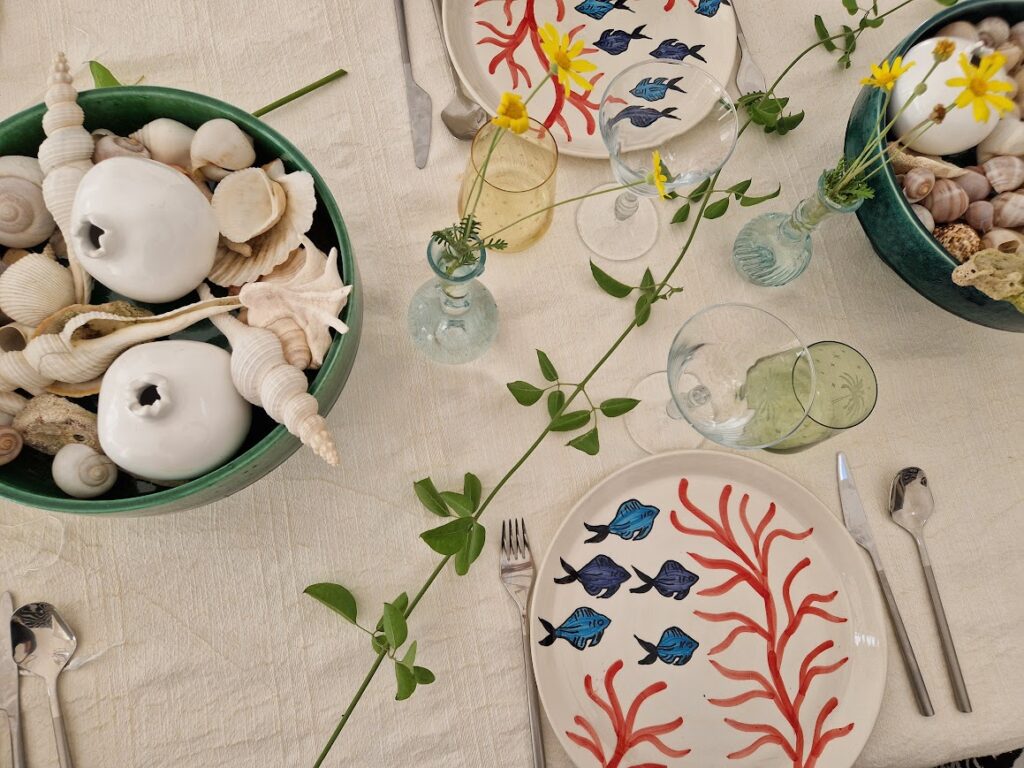
Beyond olive oil, another Mediterranean treasure shapes Tunisia’s identity: neroli, derived from bitter orange blossoms. The Cap Bon region, including Hammamet, holds deep traditions linked to orange blossom harvesting, distillation rituals, culinary and cosmetic uses, springtime sensory celebrations
Neroli represents something powerful in tourism strategy: the emotional memory of a place.
Dar Jbel integrates this floral dimension through seasonal storytelling, sensory experiences, and botanical awareness. Because sustainable tourism is not only visual — it is olfactory, tactile, intimate.
Zhar Tour: Structuring Floral Tourism in Tunisia
Dar Jbel has recently joined Zhar Tour with PAMAPAT a new emerging label dedicated to structuring Tunisia’s floral and botanical heritage into tourism experiences. Just as oleotourism gave strategic coherence to olive oil territories, Zhar Tour aims to map orange blossom traditions, connect distillation sites and producers, create seasonal itineraries and structure floral identity as tourism capital.
This is a major strategic evolution. It signals a shift from isolated initiatives to ecosystem thinking. If olive oil represents rootedness, neroli represents atmosphere. Together, they form a powerful Mediterranean narrative.
Mediterranean Benchmark: From Agriculture to Experience
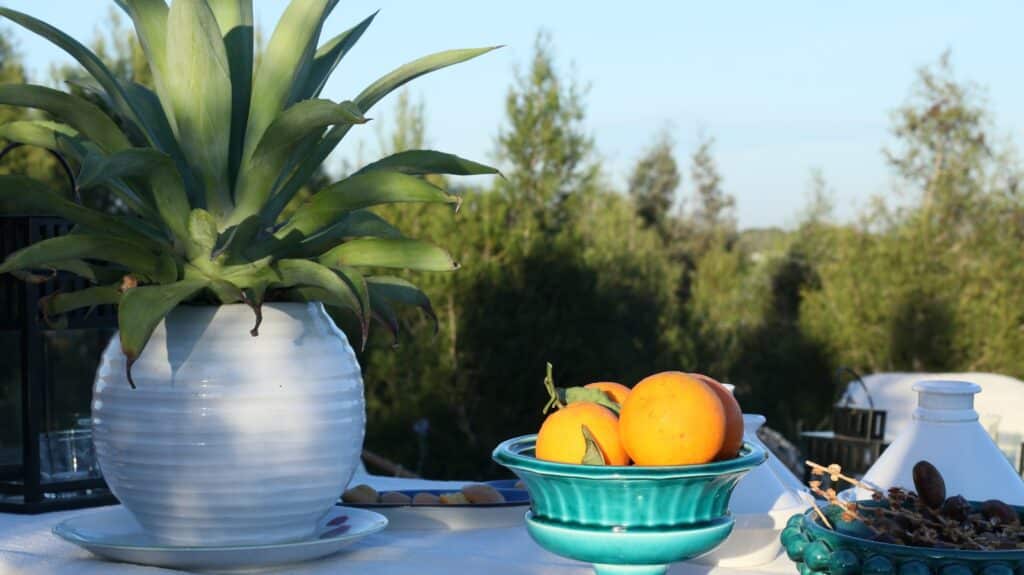
Italy structured agriturismo around farms. Portugal built identity around rural villages. Morocco elevated architectural heritage through riads. Tunisia’s opportunity is different — and unique to structure a dual agricultural narrative with Olive oil (depth, soil, longevity) and Neroli (seasonality, fragrance, emotion). Few Mediterranean countries possess both at this scale.
A Strategic Vision for Tunisia
Sustainable tourism in Tunisia must:
- Integrate agriculture into hospitality
- Transform raw materials into immersive narratives
- Increase value per visitor instead of volume
- Anchor tourism in territorial intelligence
Dar Jbel operates at the intersection of oleotourism, floral heritage (Zhar Tour), craft transmission, slow Mediterranean living. This is not diversification. It is coherence.
Tunisia: From Destination to Sensory Territory
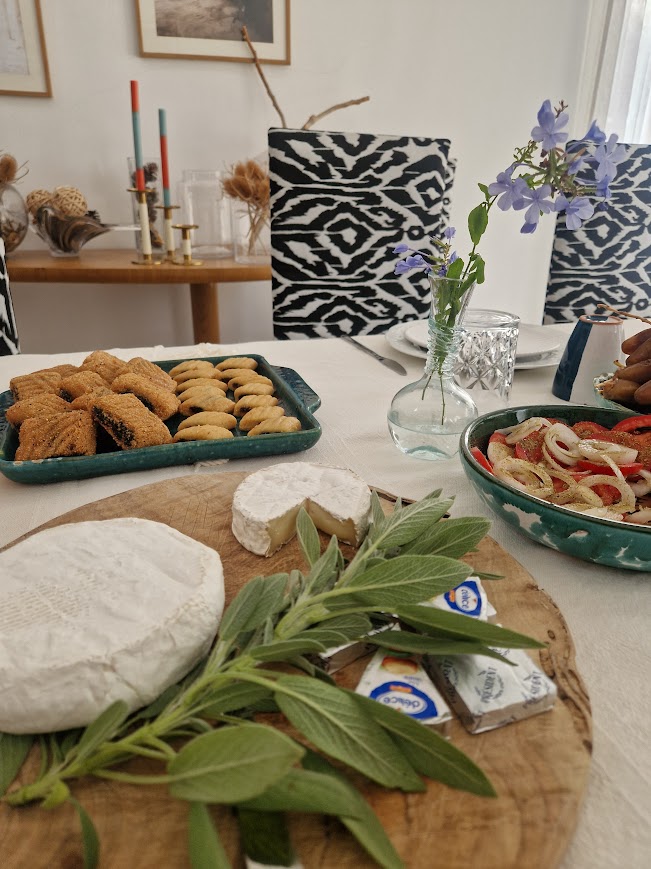
Tunisia does not lack resources. It lacks structured storytelling. From award-winning culinary research
to olive oil immersion to neroli and floral mapping through Zhar Tour — a new territorial tourism model is emerging. Not louder. Deeper. Not bigger. More meaningful. And this is where the future of Tunisian sustainable tourism lies.